Let the ceremony begin.
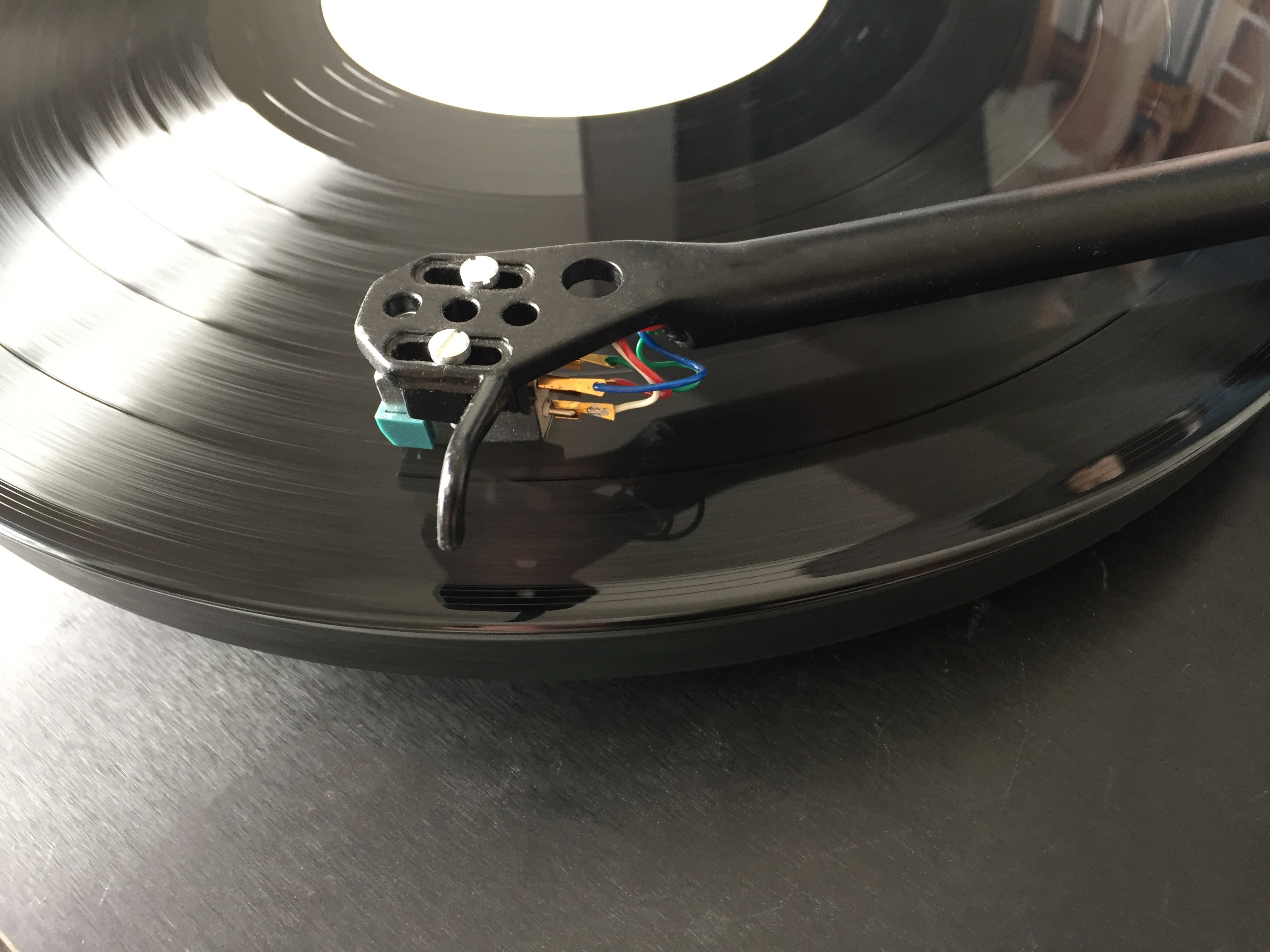
There is something very special, almost ceremonial about the process of listening to music on vinyl. You lift up the lid on your turntable, and gently take out the vinyl record from its cover, knowing that if you scratch its surface, you might ruin it. After placing the record on the turntable, you go on to remove any dust from its surface by carefully brushing along the groove of the record. Using another brush, you also remove any dust from the stylus. Then you switch on the turntable and watch as the groove starts to spin like a big hypnotic spiral. You slowly lower the stylus onto the surface of the record. And then, only then — MUSIC.
Compared to listening to music on your smartphone, listening to music on vinyl may seem like a lot of work. And it is. But that is the whole point — taking a break from the relentless stream of emails, notifications and text messages, and focusing on what you want to hear. To consciously consider your choice of music, rather than the unconscious flickering through endless songs on endless playlists. It is the obstacles themselves that prompt you to stop and reflect.
Take a Moment.
When I started out in the recording industry back in the 80’s, we were still recording on analog tape. Whenever I had finished a recording, I would have to wait for the tape recorder to rewind the tape, before I could do another take. This could take anything from 30 to 60 seconds. At the time that seemed pretty annoying, but it actually did serve a purpose that I just wasn’t aware of back then. Later, when I switched to recording digitally onto computer disks, there were no longer any waiting for tapes to rewind. This was great. Now I could do as many takes as I wanted — instantly. And if my clients had the slightest doubt about the quality of a performance, we would just do one more take — and one more. This seemed like a great way of working because it was fast, and I knew that I could always go back and select the best take after the recording session has finished. But the problem was that I would usually end up with an enormous amount of takes, many of them not very different in performance. And I would spend a lot of time going through the material and deciding on which takes to use. This problem is not limited to sound production. It is a problem in many areas of digital production. A still photographer told me, that he is being pushed by his clients on photo shoots to do more and more takes. Not because it creates better results, but because the clients feel more secure when they have ten times the amount of shots to choose from. Ironically, many of the same clients will later complain about the amount of time they have to spend selecting which takes to use.
Of cause, there are many advantages to digital production, but you should always consider how any technology affects the way you work. Just because you can shoot an endless amount of takes, doesn’t automatically mean that it’s a good idea. Today I understand the value of taking a moment between takes to reflect, to carefully consider if another take is in fact needed, and if so, how it could be better.
So the next time you head for the Rec button — try rewinding your own mental tape recorder first.